
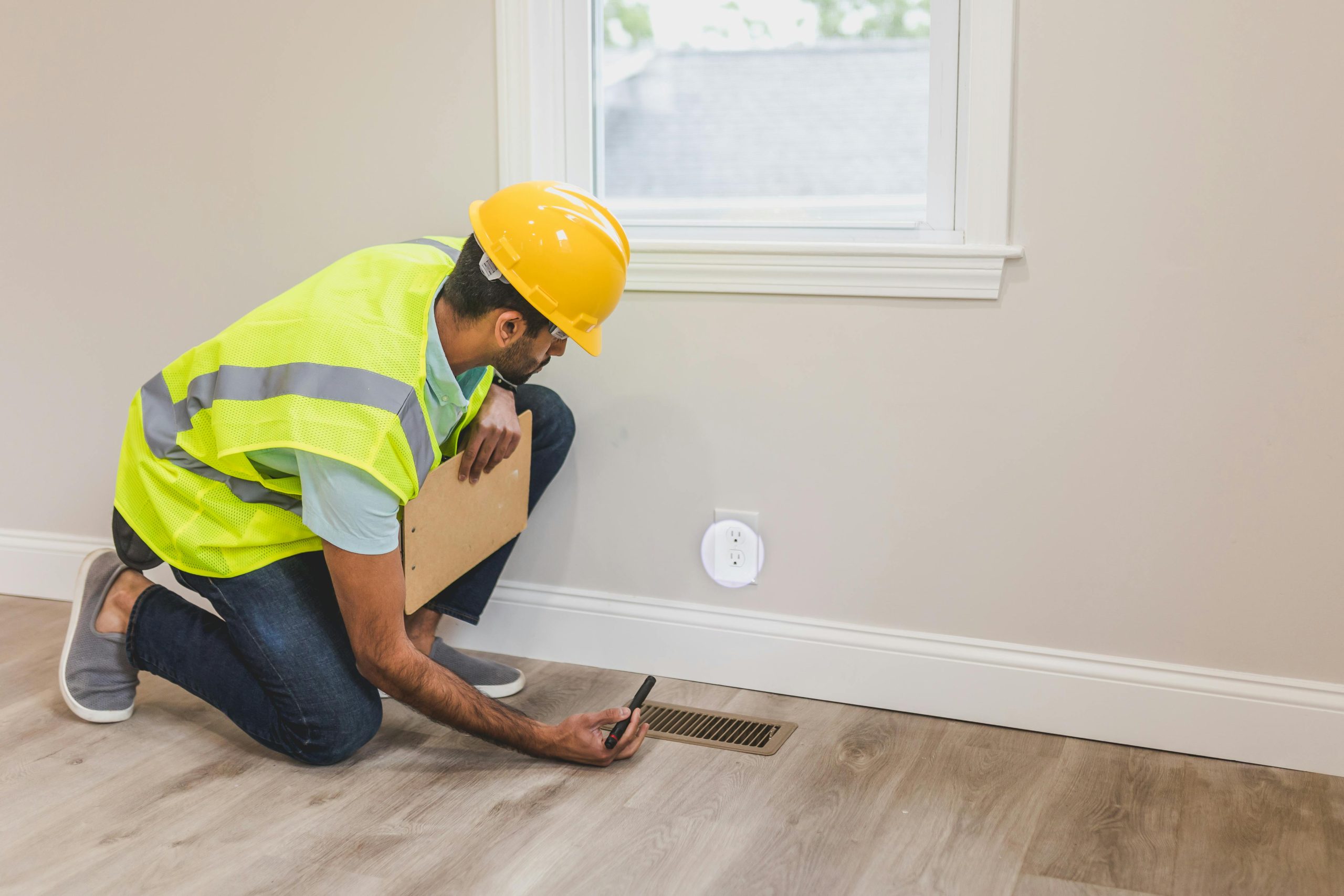
You found a home you love — then the inspection report arrives with problems. That moment is stressful, but it’s also the reason inspections exist: to reveal issues before you’re legally tied to a purchase. As the Scott Parker Team, we guide buyers through these conversations every week. This article breaks down exactly what to do next: how to evaluate the report, who to call for help, negotiation options that actually work, and when walking away is the smartest move.
What should you do immediately after the inspection finds problems?
- Read the report carefully with your agent. Identify which items are safety hazards (wiring, carbon monoxide, major leaks) and which are cosmetic.
- List “red-flag” items (foundation, roof, major water intrusion, electrical, HVAC failures) and “nice-to-fix” items (minor caulking, paint, small leaks). Prioritize safety and structure.
- Ask the inspector for clarification — inspectors will often explain the severity and likely life expectancy of systems (e.g., a 12-year-old water heater).
- Confirm contractual deadlines — the inspection contingency window is finite; act within it or risk losing your right to negotiate.
How do you decide which issues are deal-breakers?
- Safety & code violations — always material. These are often non-negotiable from a buyer’s perspective.
- Structural failures (major foundation or significant roof damage) — typically deal-breakers or require big price adjustments.
- Systems near end-of-life (HVAC, water heater) — can be negotiated as credits or price reductions.
- Cosmetic items — usually not worth delaying a deal over; handle post-close.
- Rule of thumb: focus negotiation on items that affect habitability, safety, resale value, or cost more than a modest, agreed threshold. Sources also recommend concentrating on “big-ticket” items during negotiation.
What negotiation options do you have?
You generally have four options — discuss with your agent which fits your situation and market conditions:
- Request seller repairs before closing
- Pros: fixes issues before you move in.
- Cons: sellers may delay or do poor work; may push closing.
- Pros: fixes issues before you move in.
- Ask for a price reduction (lower purchase price)
- Pros: you control repairs post-close and can choose contractors.
- Cons: may not be accepted; affects mortgage amount if financed.
- Pros: you control repairs post-close and can choose contractors.
- Request a seller credit or escrow holdback
- Seller leaves funds in escrow at closing to ensure repairs are completed.
- Seller leaves funds in escrow at closing to ensure repairs are completed.
- Walk away under the inspection contingency
- If major defects exist and the seller won’t negotiate, use your contingency to cancel and recover the deposit. Investopedia and other guides stress that inspection contingencies are created for this protection.
Tactic: Be specific — provide repair estimates or contractor bids when asking for a price reduction or credit. Sellers are more responsive to concrete numbers.

How do you get accurate repair cost estimates?
- Obtain 2–3 contractor bids for major items (roof, foundation, drainage, HVAC).
- Get specialist inspections when indicated (structural engineer, pest, sewer camera, mold). These add credibility and precise costs.
- Ask the inspector for referrals — many inspectors can recommend qualified contractors. A documented bid makes negotiation far stronger than vague quotes or guesses.
What if the seller refuses to negotiate?
- Consider a compromise: small price drop + seller credit for specific repairs.
- Escrow holdback can force funds to be set aside for completion.
- Use contract clauses: If you have an inspection contingency that uses a “satisfaction” clause, you may be able to exit. Check the exact wording — some clauses are buyer-friendly, others are limited. Legal wording matters.
What happens if the inspection contingency deadline passes?
If you miss the deadline to act (or if the contingency expires), you typically lose the right to negotiate based on the inspection report and may be bound to the contract as is. That warps your leverage — act promptly within the contingency period.
When should you walk away?
- If the property has major structural, environmental, or safety issues that the seller will not remedy or sufficiently credit for.
- If repair costs exceed the home’s value or your comfort threshold for post-purchase work.
- If the seller’s responses are evasive or they refuse reasonable fixes and you have a clean exit via the inspection contingency. Trusted financial/real estate resources note that inspection contingencies exist for precisely this reason.
A concerning inspection report isn’t the end of the road — it’s your opportunity to make an informed decision. Prioritize safety, get solid repair estimates, use the inspection contingency strategically, and negotiate with clear documentation. If you’d like help interpreting an inspection report, lining up specialist quotes, or drafting repair requests, The Scott Parker Team can coordinate reliable inspectors and contractors and advise on negotiation strategy — and we’ll help protect your deposit and timeline.Subscribe to our newsletter to keep up to date with new listings, market stats and Nanaimo insights.
FAQ
Q: Can I cancel after an inspection finds problems?
A: Yes — if your contract includes an inspection contingency and you act within its timeframe, you can cancel and recover your deposit.
Q: Who pays for repairs found in the inspection?
A: Usually the seller if agreed during negotiation; buyers may accept a credit or pay post-close if they want control over the repairs.
Q: Should I always get contractor estimates?
A: Yes for major items. Written bids strengthen your negotiation.
Q: What’s an escrow holdback?
A: A legal agreement to hold funds at closing to ensure repairs are completed afterward. Useful when the seller won’t finish work before closing.Q: Can a seller force me to proceed despite inspection issues?
A: Not if you have an active inspection contingency — you can walk away per contract terms. Without one, options may be limited.